

5 Common Specification Mistakes First-Time Buyers Make When Working With Chinese Footwear Manufacturers
11 9 月, 2026 | by jayahuang66@gmail.com
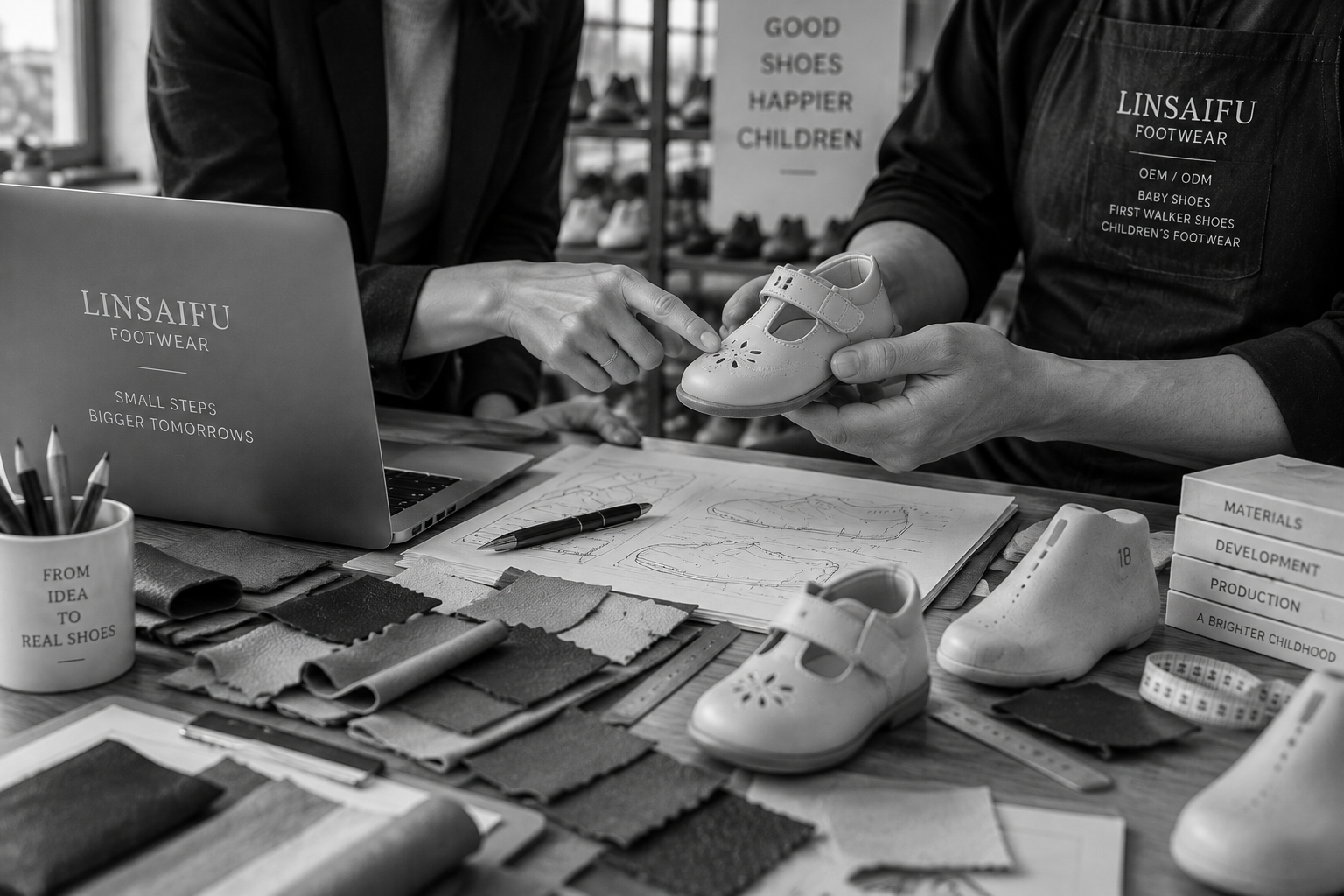
Why Many Shoe Projects Fail Before Production — And How Proper Development Communication Prevents Costly Mistakes
1. Relying Only on Photos and Text Descriptions Without Physical Sample Confirmation
This is one of the biggest reasons footwear development projects fail.
Many first-time buyers communicate only through emails, reference pictures, or product links. They may think phrases like:
- “soft leather”
- “vintage look”
- “wide toe box”
- “comfortable fit”
- “natural color”
- “premium quality”
are clear enough.
However, footwear is a highly technical product. The same words can mean completely different things to different people.
For example:
A buyer may request “soft leather”, expecting flexible full-grain leather with a natural hand feel. The factory may understand it as regular soft cow leather with a different thickness.
A buyer may request a “wide fit” shoe, but only increasing the upper width without adjusting the last shape can create a shoe that looks wider but still feels uncomfortable.
For baby shoes and first walkers, small differences in:
- toe shape
- heel structure
- leather thickness
- insole softness
- outsole flexibility
can completely change the wearing experience.
Our approach:
Before production, we confirm:
- physical leather samples
- color swatches
- outsole samples
- last measurements
- construction details
- reference shoes
We convert every visual requirement into measurable production standards.
2. Skipping Sample Development to Save Time and Money
Many new brands want to reduce initial costs and directly move into production after seeing supplier photos.
This is especially risky for footwear.
A shoe is not only an appearance product. It requires testing:
- foot shape
- comfort
- balance
- bending point
- heel support
- sizing accuracy
A shoe can look perfect in photos but fail when someone actually wears it.
For example:
A first walker shoe may look beautiful, but:
- outsole is too stiff
- toe box is too narrow
- heel counter does not support the foot
- leather is too hard for babies
These issues usually cannot be discovered from pictures.
Our approach:
We recommend a proper development process:
- Design confirmation
- Last development
- Upper sample production
- Wear testing
- Adjustment
- Final pre-production sample approval
Only after confirmation should bulk production begin.
3. Not Defining Material and Construction Details Clearly
One of the most common misunderstandings in footwear sourcing is assuming everyone understands shoe terminology the same way.
For example:
“Leather baby shoes”
can mean completely different products:
- genuine leather upper + leather lining
- leather upper + synthetic lining
- corrected leather
- full grain leather
- split leather
- PU coated leather
The same applies to construction:
“Flexible sole”
could mean:
- soft rubber outsole
- TPR outsole
- EVA outsole
- thin leather sole
- lightweight children’s outsole
Without detailed confirmation, the final product may technically match the description but fail the brand expectation.
Our approach:
We prepare detailed specifications including:
- leather type
- thickness
- lining materials
- outsole material
- stitching details
- logo position
- packaging requirements
- size grading
4. Ignoring Shoe Last Development and Size Grading
Many first-time footwear buyers focus on design but underestimate the importance of the shoe last.
The last determines:
- overall shoe shape
- toe room
- width
- comfort
- fitting experience
Two shoes with the same outsole size can feel completely different because of different last designs.
This becomes even more important for:
- adult footwear
- wide-fit shoes
- barefoot shoes
- first walker shoes
Size grading is also not simply adding length.
A professional grading process must consider:
- foot length increase
- width adjustment
- girth adjustment
- toe volume
- heel fitting
Our approach:
We confirm:
- base size
- insole length
- grading method
- width requirements
before developing new lasts.
5. Not Confirming MOQ, Customization Scope, and Ownership Before Development
Many new brands start product development without clearly discussing:
- sample fees
- mold ownership
- last ownership
- pattern ownership
- minimum order quantity
- customization limits
This can create unexpected costs later.
For example:
A customer may assume:
“Since we paid for development, we own everything.”
However, factories may separate:
- customer-specific development files
- existing factory technology
- existing molds
- shared production resources
These details should always be confirmed before development starts.
Our approach:
Before starting OEM/ODM projects, we clearly define:
- development scope
- sample costs
- tooling costs
- ownership terms
- MOQ requirements
- production pricing
Clear communication protects both sides.
Final Thoughts: Successful Footwear Development Starts Before Production
Most footwear sourcing problems are not caused by factories.
They happen because expectations are not clearly translated into technical standards.
A professional footwear manufacturer does more than produce shoes.
A reliable development partner helps brands:
✓ transform ideas into technical specifications
✓ reduce sampling mistakes
✓ improve product comfort
✓ control development costs
✓ create products ready for the market
At Linsaifu Footwear, we support overseas brands with leather baby shoes, first walker shoes, and custom footwear development — from concept, sample, last development, and production.
Clear communication creates better shoes.
RELATED POSTS
View all

How to Test Adult Footwear Before Production: A Practical Fit & Wear Testing Process
15 9 月, 2026 | by jayahuang66@gmail.com
Why First-Time Brands Fail When Working With Chinese Manufacturers
11 9 月, 2026 | by jayahuang66@gmail.com
Low MOQ Baby Shoes Manufacturer for Small Brands and Boutiques
11 9 月, 2026 | by jayahuang66@gmail.com