

From AI Design to Real Baby Shoes: How Brands Turn Ideas Into Samples
11 9 月, 2026 | by jayahuang66@gmail.com
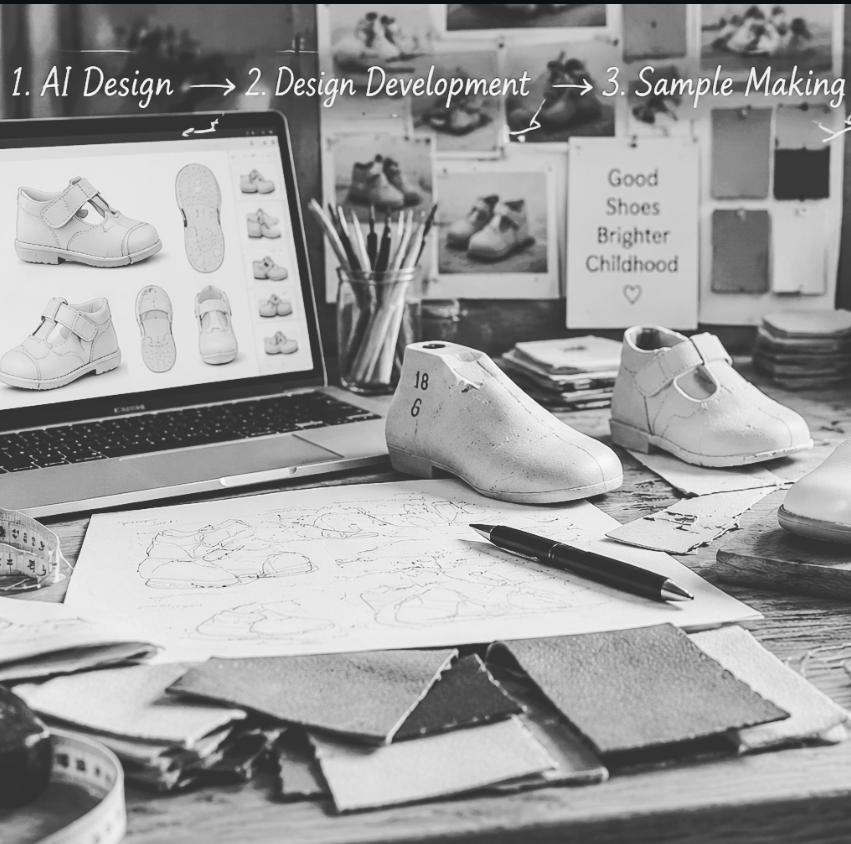
A Practical Guide for Developing Custom Baby Footwear From Creative Concepts
Artificial intelligence is changing the way brands create product ideas.
Today, many entrepreneurs, designers and small businesses use AI tools to generate unique baby shoe concepts before contacting a manufacturer.
AI can help brands explore:
- New design ideas
- Color concepts
- Product inspiration
- Style directions
However, an AI-generated image is only the beginning.
Turning a creative image into a real baby shoe requires professional footwear development experience, because actual production involves materials, construction, comfort, sizing and manufacturing limitations.
At Linsaifu Footwear, we help brands transform creative ideas into real baby footwear samples through professional communication, product development and manufacturing support.
AI Design Is a Starting Point, Not a Finished Product
Many brands believe they can simply send an AI-generated image to a factory and receive the exact same product.
However, real footwear development is different from digital design.
An AI image can show:
- Overall appearance
- Style direction
- Color ideas
- Decorative details
- Brand concept
But it usually does not include important manufacturing information such as:
- Material specifications
- Shoe construction
- Pattern details
- Size requirements
- Production methods
- Comfort considerations
A professional footwear manufacturer needs to evaluate the design and adjust it according to real production conditions.
The final product is created by combining:
Creative Ideas + Material Knowledge + Manufacturing Experience
Step 1: Share Your Design Concept With the Manufacturer
You do not need to be a footwear expert before contacting a manufacturer.
Many successful products start with a simple idea.
You can share:
- AI-generated images
- Design sketches
- Reference products
- Website links
- Social media images
- Product videos
These references help the manufacturer understand:
- The style you want
- The customer you target
- The overall product feeling
A good manufacturing partner will help analyze the idea and provide practical suggestions.
Step 2: How to Communicate Materials When You Don’t Know the Technical Name
Many new brands face the same challenge:
“I like this material, but I don’t know what it is called.”
This is completely normal.
Not every brand owner knows technical terms such as:
- Leather type
- Material finishing
- Thickness
- Surface treatment
- Construction methods
In this situation, you can share:
- Photos from other websites
- Brand references
- Online store links
- Product videos
- Social media posts
A professional manufacturer can evaluate the reference and suggest:
- Similar materials
- Better production options
- More suitable alternatives
The goal is not only to copy an appearance, but to find the best way to achieve the desired result in real production.
Step 3: Confirm Colors and Materials Before Development
AI images often create colors and textures that look different from real materials.
For example:
A leather texture generated by AI may not represent the actual feeling of genuine leather.
Therefore, production requires confirmation of:
Materials
Possible options include:
- Genuine leather
- Suede leather
- Textile materials
- Synthetic materials
- Different sole materials
The final choice depends on:
- Product positioning
- Target customers
- Cost requirements
- Production feasibility
Colors
AI colors are visual references only.
For better accuracy, brands can provide:
- Pantone color codes
- Physical color samples
- Existing product references
Pantone references help improve color communication during production.
Step 4: Physical Samples Provide the Best Reference
Although pictures and videos are useful, a physical sample is usually the most accurate reference.
A real product allows the manufacturer to evaluate:
- Material texture
- Softness
- Thickness
- Construction details
- Stitching methods
- Overall quality
If you already have a shoe sample that represents your idea, sending it to the manufacturer can greatly improve communication.
The factory can study:
- What materials are used
- How the shoe is constructed
- Which details need to be reproduced
However, International Sample Shipping Requires Practical Decisions
For overseas customers, sending physical samples may also involve:
- Shipping costs
- Customs procedures
- Transportation time
Because of this, many brands choose a step-by-step approach.
A practical development process can be:
Step 1
Share images, videos and references first.
Step 2
Discuss materials, construction and production possibilities.
Step 3
Confirm the development direction.
Step 4
Send physical samples only when necessary.
This approach helps brands save unnecessary shipping costs and reduce development time.
Step 5: From Concept to Real Sample Development
Once the design direction is confirmed, the manufacturer begins sample development.
The process usually includes:
1. Design Evaluation
Review:
- Product appearance
- Structure
- Material options
- Production feasibility
2. Sample Creation
The manufacturer develops the first physical sample based on the approved concept.
The sample is evaluated for:
- Appearance
- Comfort
- Material effect
- Construction quality
3. Testing and Modification
A real product often requires adjustments.
Possible improvements include:
- Shoe shape
- Material selection
- Color adjustment
- Logo placement
- Stitching details
- Comfort improvements
Footwear development is a process of testing and improvement.
How Many Sample Modifications Are Included?
The number of modifications depends on the development agreement.
For many projects, the initial development stage includes limited sample adjustment rounds.
For example:
- First sample creation
- Testing feedback
- Second modification
Additional modifications may require extra development costs depending on:
- Design complexity
- Material changes
- Structural adjustments
- Additional sample work
Clear communication at the beginning helps both sides understand the development process.
Why a Flexible Business Partner Matters
For international brands, choosing a supplier is not only about production capability.
Communication is equally important.
During development, brands may need help with:
- Understanding materials
- Adjusting designs
- Solving production challenges
- Finding alternative solutions
A flexible and experienced business partner can help bridge the gap between creative ideas and manufacturing reality.
The best supplier is not only someone who produces products.
They are someone who can help you make better decisions.
Common Mistakes When Developing AI Baby Shoe Designs
1. Expecting 100% Copy From AI Images
AI creates concepts.
Real products require professional development.
2. Not Providing Enough Information
A factory needs more than one picture.
Helpful information includes:
- Target market
- Product style
- Material preference
- Price positioning
- Reference products
3. Ignoring Sample Development
A successful product usually requires:
- Review
- Feedback
- Adjustment
- Improvement
The sample stage is where ideas become real products.
Why Work With Linsaifu Footwear?
Linsaifu Footwear helps brands turn creative concepts into practical baby footwear products.
We support customers with:
✔ AI design evaluation
✔ Material suggestions
✔ Color confirmation
✔ Sample development
✔ Logo and detail solutions
✔ Product improvement
✔ Production coordination
Whether you have:
- An AI-generated design
- A website reference
- A physical sample
- A simple product idea
Our team can help you develop it into a real baby footwear product.
Start Your Baby Shoe Development Project
Have an idea for your own baby footwear collection?
You can share:
- AI images
- Reference products
- Design concepts
- Materials you prefer
- Target market information
We will help evaluate the idea and find a practical development solution.
Linsaifu Footwear — Turning Creative Ideas Into Real Baby Shoes.
RELATED POSTS
View all

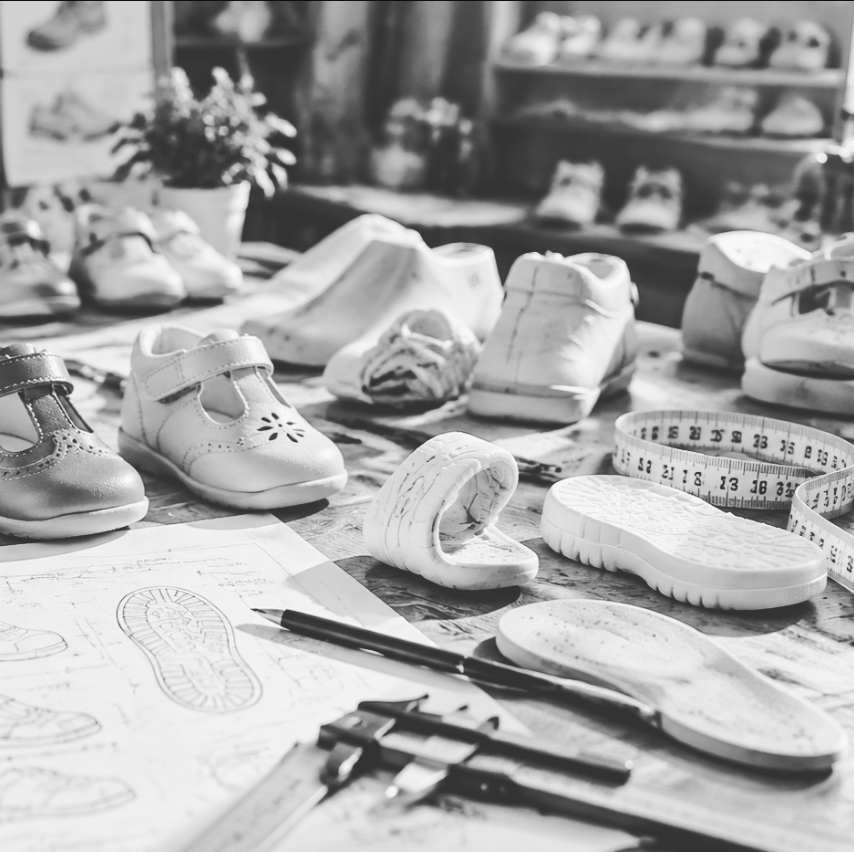
First Walker Shoes Manufacturer: How to Develop Comfortable Baby Walking Shoes
11 9 月, 2026 | by jayahuang66@gmail.com
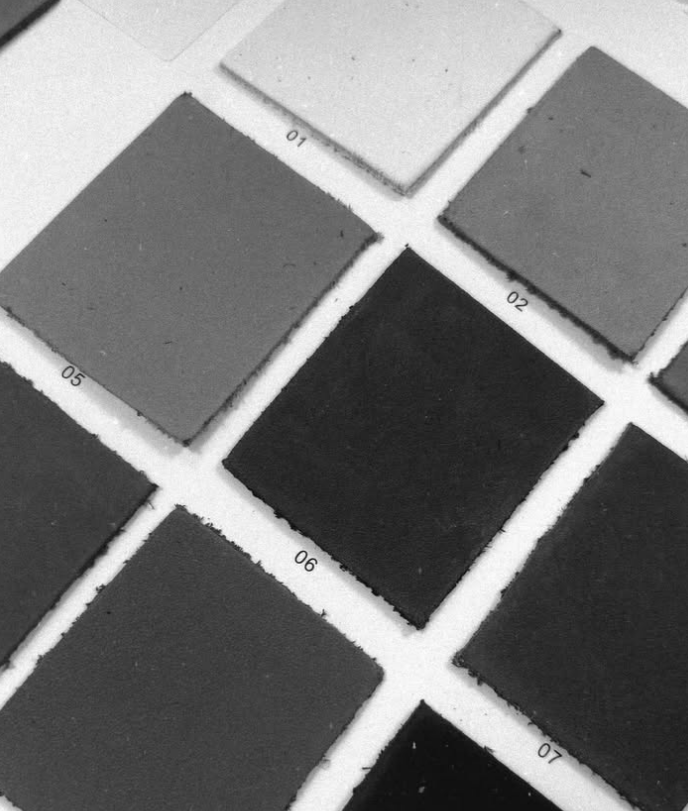
Leather Baby Shoes Manufacturer: Why Premium Brands Choose Genuine Leather
11 9 月, 2026 | by jayahuang66@gmail.com
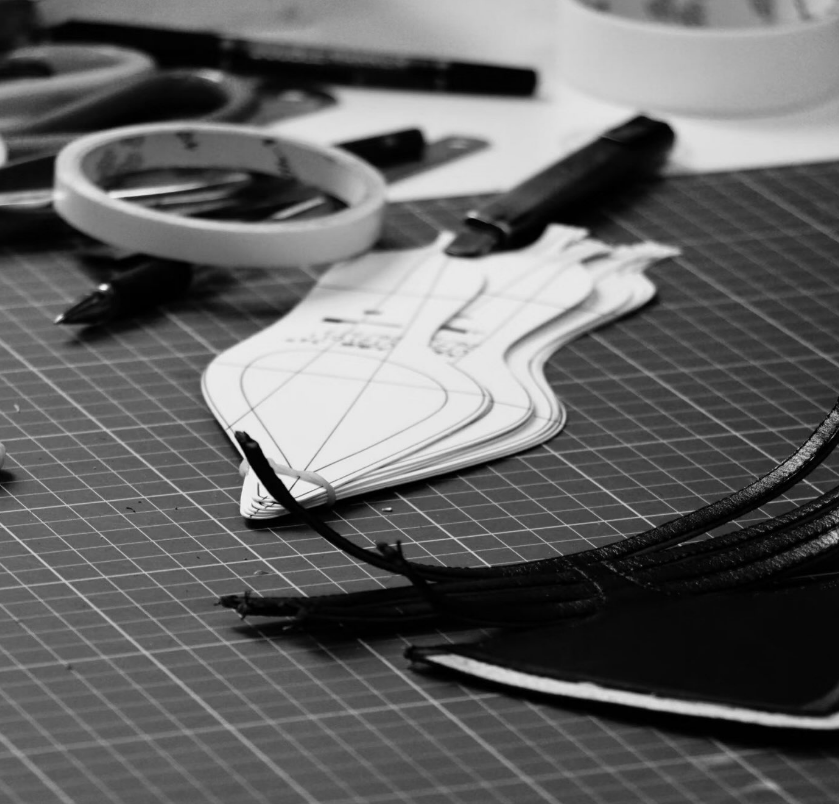
Soft Sole Baby Shoes Manufacturer: Why Flexible Shoes Matter for Early Walkers
11 9 月, 2026 | by jayahuang66@gmail.com