

How Much Does It Cost to Start a Baby Shoe Brand?
11 9 月, 2026 | by jayahuang66@gmail.com
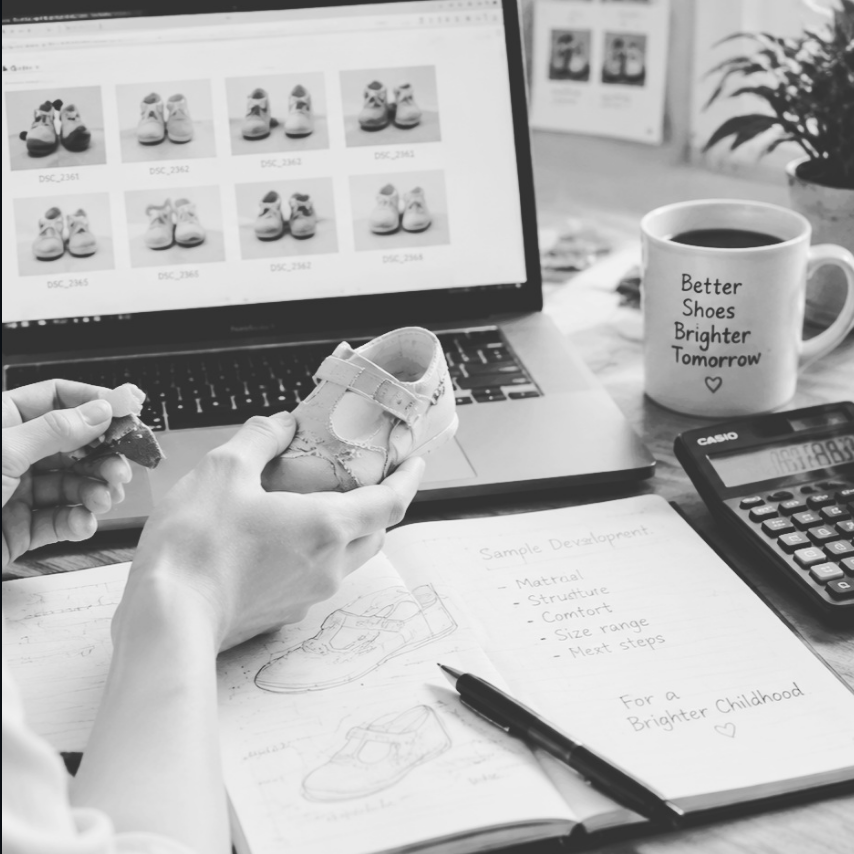
A Complete Guide to Baby Footwear Development Costs for New Brands
Starting a baby shoe brand is an exciting opportunity for entrepreneurs who want to create unique products and build their own customer base.
However, one of the first questions many new brands ask is:
“How much does it cost to start a baby shoe brand?”
The answer depends on many factors, including:
- Product design
- Materials
- Sample development
- Minimum order quantity
- Packaging
- Manufacturing requirements
Many new entrepreneurs believe they need a large investment to start.
In reality, many successful brands begin with a small collection, test the market and gradually expand.
At Linsaifu Footwear, we help brands develop baby footwear collections from concept to production, including soft sole baby shoes, leather baby shoes, baby moccasins and private label footwear.
What Costs Are Involved in Starting a Baby Shoe Brand?
Launching a baby footwear brand usually includes several stages.
The main costs include:
- Product development
- Sample making
- Materials
- Production
- Packaging
- Shipping
Understanding these costs helps brands create a realistic business plan.
1. Product Design and Development Cost
Before production, the product idea needs to be developed into a real shoe.
Development may include:
- Design evaluation
- Material selection
- Pattern development
- Shoe structure adjustment
- Sample creation
For customized products, development is one of the most important stages.
A professional manufacturer helps brands avoid costly mistakes before mass production.
2. Sample Development Cost
Samples allow brands to evaluate:
- Appearance
- Comfort
- Materials
- Construction quality
The sample process usually includes:
- Design confirmation
- Material preparation
- Sample production
- Testing
- Feedback
- Modification
A first sample is not always the final product.
Many footwear projects require adjustments before approval.
3. Material Selection and Cost
Material choice has a major impact on product cost.
Common baby shoe materials include:
Genuine Leather
Popular for premium brands because of:
- Natural appearance
- Soft feeling
- Durability
Suede Leather
Often used for:
- Baby moccasins
- Soft sole shoes
- Boutique styles
Textile Materials
Suitable for:
- Lightweight designs
- Breathable products
- Flexible footwear
Different materials create different price levels and product positioning.
4. Minimum Order Quantity (MOQ)
MOQ is an important consideration for new brands.
Different products have different requirements.
For example:
Soft sole baby shoes may allow smaller quantities.
Custom materials or special components may require higher quantities.
MOQ depends on:
- Materials
- Colors
- Production process
- Customization level
A flexible supplier can help brands find a practical starting solution.
5. Packaging and Branding
Building a brand requires more than making shoes.
Many brands also consider:
- Shoe boxes
- Hang tags
- Labels
- Brand logos
- Packaging design
These details help create a complete customer experience.
6. Shipping and Logistics
International brands should also consider:
- Sample shipping
- Production shipment
- Customs
- Import costs
Shipping methods depend on:
- Order quantity
- Destination country
- Delivery requirements
Planning logistics early helps avoid unexpected costs.
How Can Small Brands Start With Lower Risk?
Many successful brands do not begin with huge orders.
A practical approach is:
Step 1
Develop a small collection.
Step 2
Test customer response.
Step 3
Collect feedback.
Step 4
Expand successful products.
This approach helps reduce inventory risk.
Private Label vs Custom Development Costs
Different business models require different investments.
Private Label Baby Shoes
Usually:
- Faster development
- Existing styles available
- Lower development risk
Fully Custom Baby Shoes
Usually requires:
- New design
- New materials
- More sample development
- More testing
The right choice depends on the brand’s goals.
How to Reduce Baby Shoe Development Costs?
Brands can reduce unnecessary costs by:
1. Prepare Clear Product Information
Provide:
- Reference images
- Target market
- Expected quantity
- Material preference
This improves communication.
2. Choose the Right Development Partner
An experienced manufacturer can help:
- Avoid mistakes
- Suggest alternatives
- Improve efficiency
3. Develop Products Step by Step
Instead of creating many styles immediately:
Start with:
- One or two strong designs
- Limited colors
- Test production
Then expand based on market feedback.
Why Work With Linsaifu Footwear?
Linsaifu Footwear supports brands from idea development to production.
Our services include:
✔ Baby footwear development
✔ Private label solutions
✔ Leather baby shoes
✔ Soft sole baby shoes
✔ Baby moccasins
✔ Sample development
✔ Production coordination
We understand that every brand starts from an idea.
Our role is to help transform that idea into a practical product.
Start Your Baby Shoe Brand With Confidence
Starting a baby shoe brand does not require building your own factory.
With the right manufacturing partner, brands can develop unique products and grow step by step.
If you have:
- A design idea
- An AI concept
- A reference product
- A brand vision
Linsaifu Footwear can help you turn it into a real baby footwear collection.
Linsaifu Footwear — Your Partner for Baby Footwear Development.
RELATED POSTS
View all

How to Choose a Reliable Baby Shoes Manufacturer for Your Brand
11 9 月, 2026 | by jayahuang66@gmail.com

Private Label Baby Shoes: How to Start Your Own Baby Footwear Brand
11 9 月, 2026 | by jayahuang66@gmail.com
Soft Sole Baby Shoes Manufacturer: Why Flexible Shoes Matter for Early Walkers
11 9 月, 2026 | by jayahuang66@gmail.com